Deir el-Ballas 2026, Week 2: 1/10-1/15
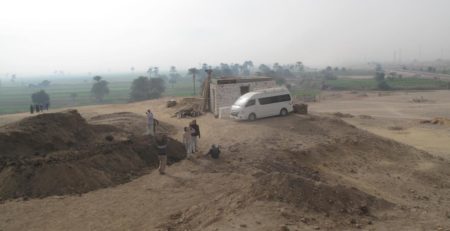
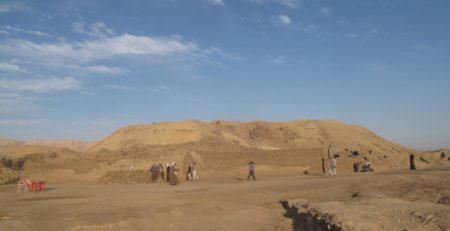
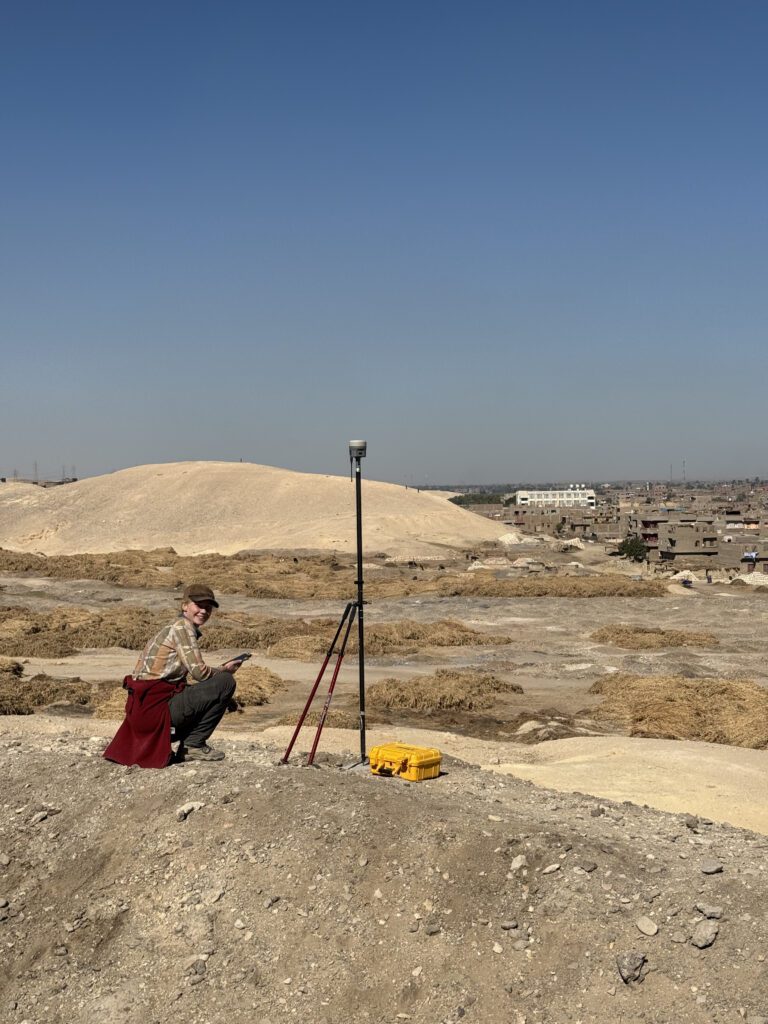
Week 2 of the Deir el-Ballas Expedition saw the project move fully into the rhythm of fieldwork, with teams spread across the site advancing excavation, documentation, conservation, and survey. A major focus this week was the continued establishment of our site grid and permanent fix points, led by Sarah Sowerby using a Trimble GNSS R12 system.* While setting up a new survey framework always comes with challenges, multiple points were successfully installed and recorded across the North Palace, South Palace, and surrounding settlement areas. These fixed reference points will allow us to more accurately map architecture, deposits, and objects moving forward.
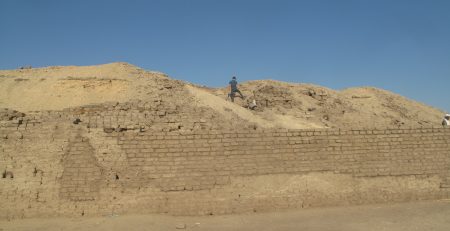
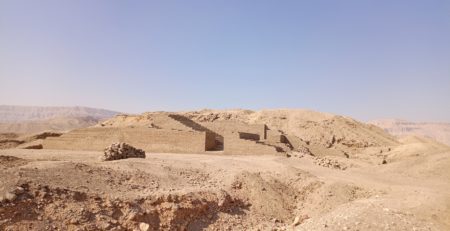
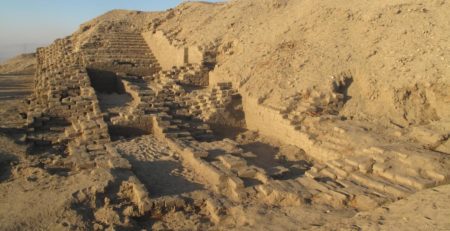
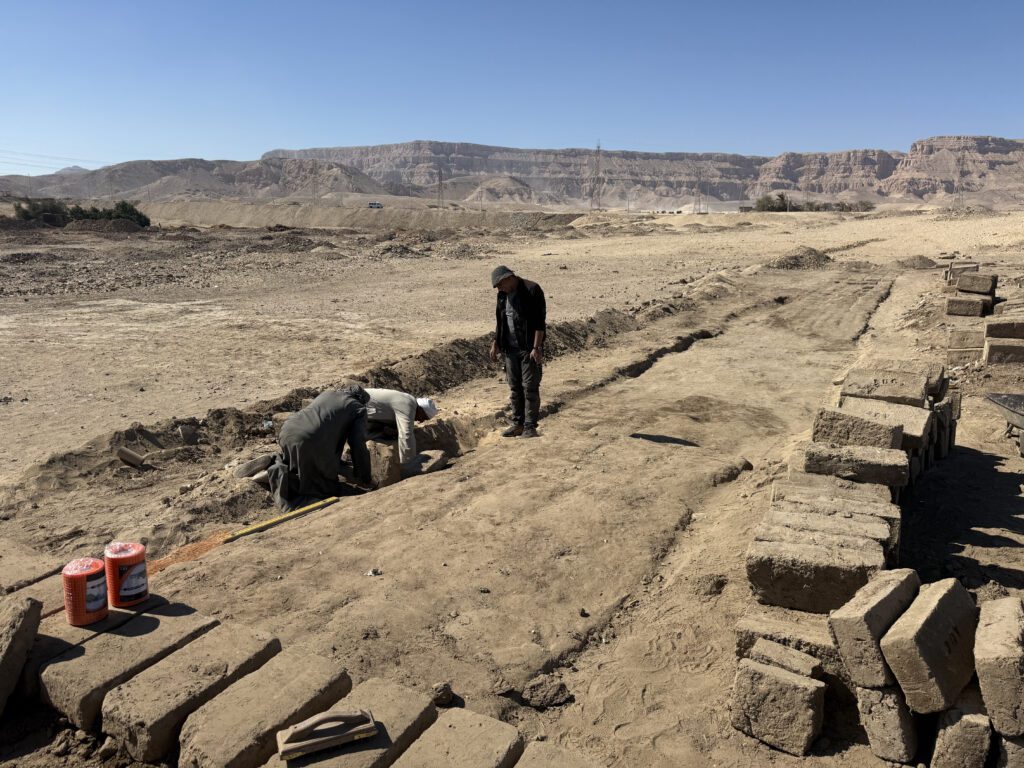
Work also continued along the North Palace Enclosure Wall, where several teams focused on cleaning, recording, and documenting both previously excavated and newly exposed areas. Victoria Shakespeare and Waleed Hawatky worked in the northern interior section of the enclosure, uncovering a series of walls and collapse deposits that may relate to later phases of construction. Nearby in the southern interior section of the enclosure, Amalee Bowen, Benjamin Johnson, and Fiona Burdette completed detailed profile drawings of a newly exposed wall, creating a clear stratigraphic record of deposits exposed during surface cleaning and removal of modern spoil. Although parts of this area appear to have been excavated in the early twentieth century, differences between surviving architecture and Reisner’s plans highlight the importance of re-recording the site using modern methods.
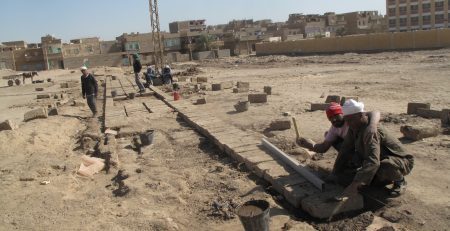
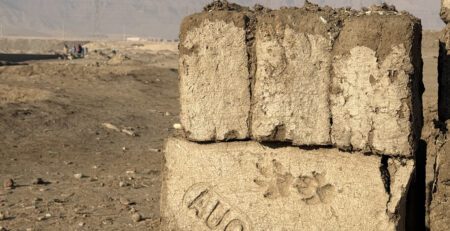
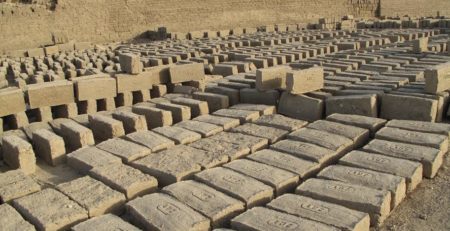
At House F, Benjamin Johnson completed documentation of several newly identified mudbrick walls uncovered earlier in the season, including architectural features suggesting changes in how spaces within the building were used or accessed over time. Ahmed Abdelgawad completed mudbrick conservation and capping work at House F and continued work at the North Palace, bringing much of the planned restoration close to completion for this season.
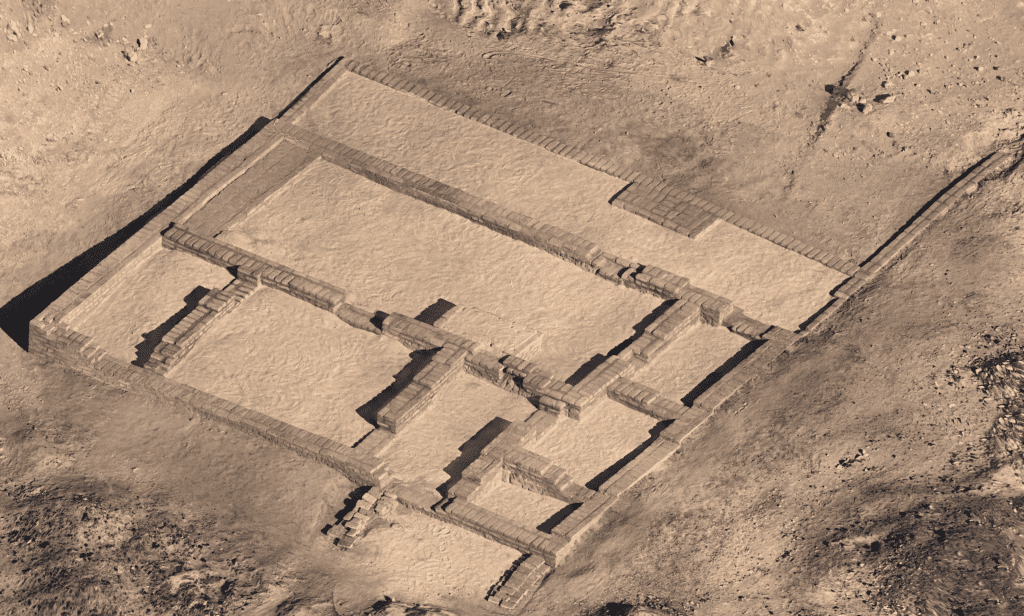
In the North Palace itself, Gillian Pyke began targeted fieldwork examining Late Antique occupation layers east of the casemate core—an area that appears largely un-excavated on earlier maps and may preserve important evidence for the site’s later history and reoccupation.
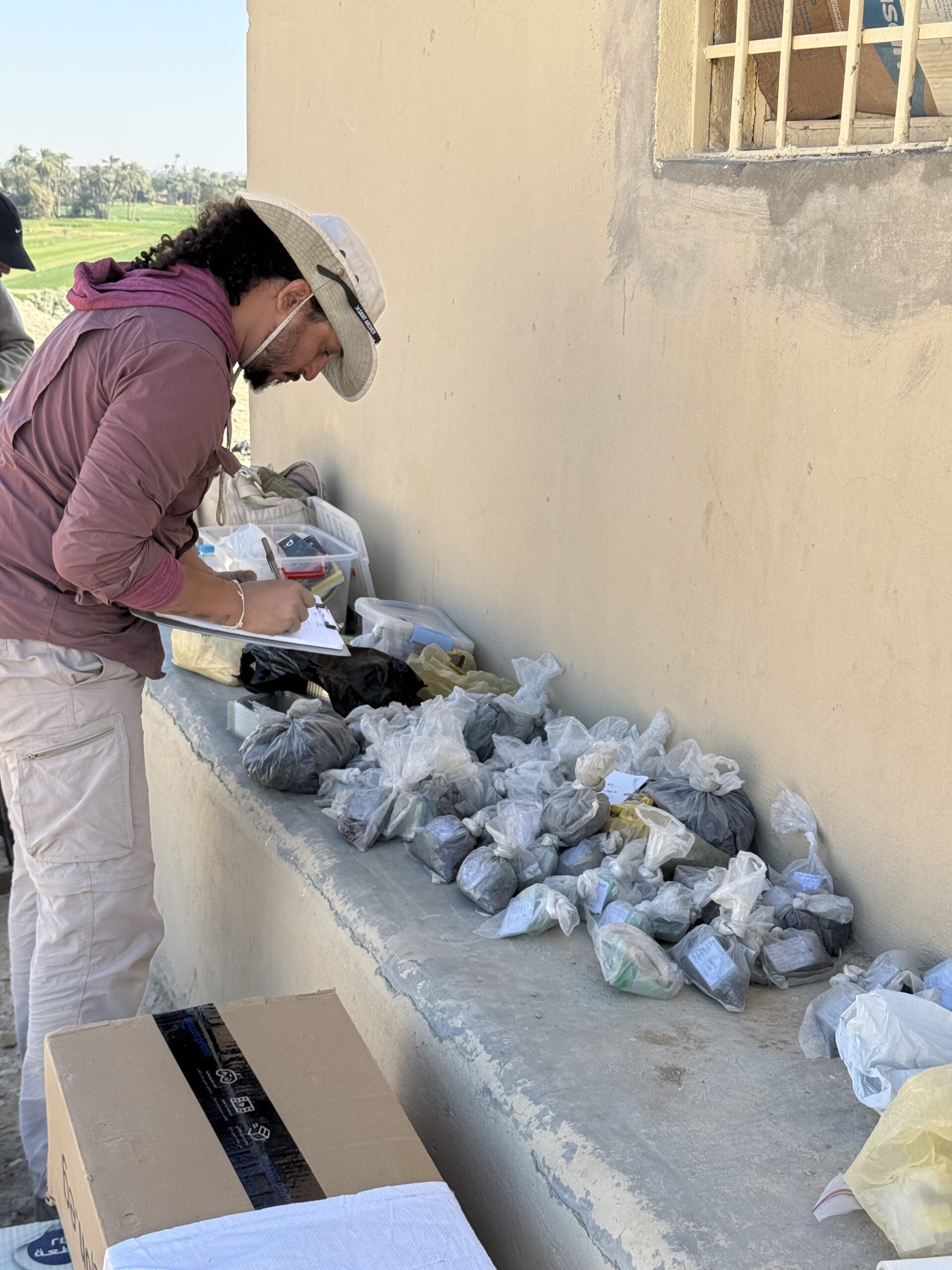
The on-site magazine was especially active this week. Beth Hart began analysis of lithic and flint materials, including agate bead production debris excavated from House E in 2019, while Gillian Pyke and Bettina Bader examined pottery and material from earlier seasons. The latter part of the week was devoted to a major effort to reorganize, inventory, and rehouse stored materials from previous excavations, improving both preservation and accessibility. By the end of Week 2, work across the site—from survey to conservation to the magazine—was already revealing new details about Deir el-Ballas and its long history.
*The Deir el-Ballas Expedition is grateful to our colleagues from the Middle Kingdom Theban Project, Antonio Morales and Sergio Alarcon Robledo, for lending us this important equipment this season and for helpful advice along the way on how to use it! Check out their work at: https://thebanproject.com/en/