Deir el-Ballas 2026, Week 4: 1/24-1/29
Week four at Deir el-Ballas brought a mix of behind-the-scenes work, continued site protection, and a few chances to step back and appreciate the broader archaeological landscape around us. As the season moves toward its final stretch, much of our focus has shifted toward documentation, conservation, and preparing the site for the months ahead.
One of the week’s major tasks was relocating stored finds—mostly pottery—from the “South Palace” workroom to prepared storage on site, ensuring the finds remain safe and protected until we return next year. Once transported, the team carefully organized and mapped where each bag was placed so that materials can be easily accessed in future seasons.
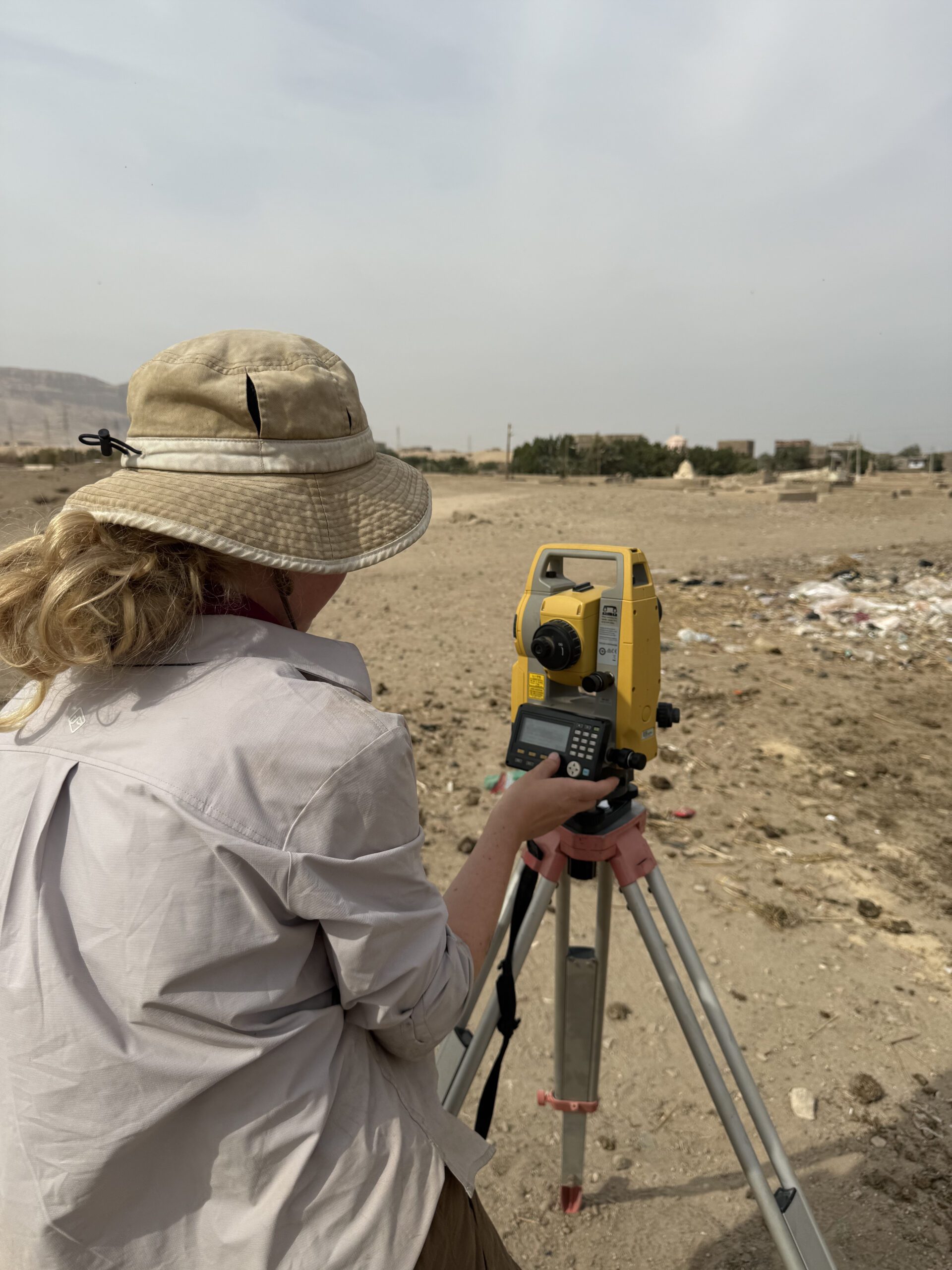
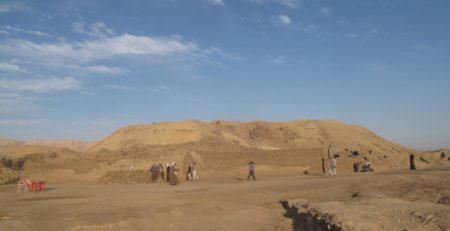
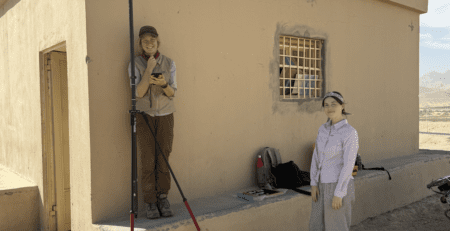
At the same time, recording work continued across the site. Excavation units and architectural features in the North Palace were documented using the total station, and new survey points were added to help future teams quickly and accurately set up their equipment. Although some equipment hiccups slowed things down briefly, teamwork—and a good dose of patience—helped keep everything moving forward.
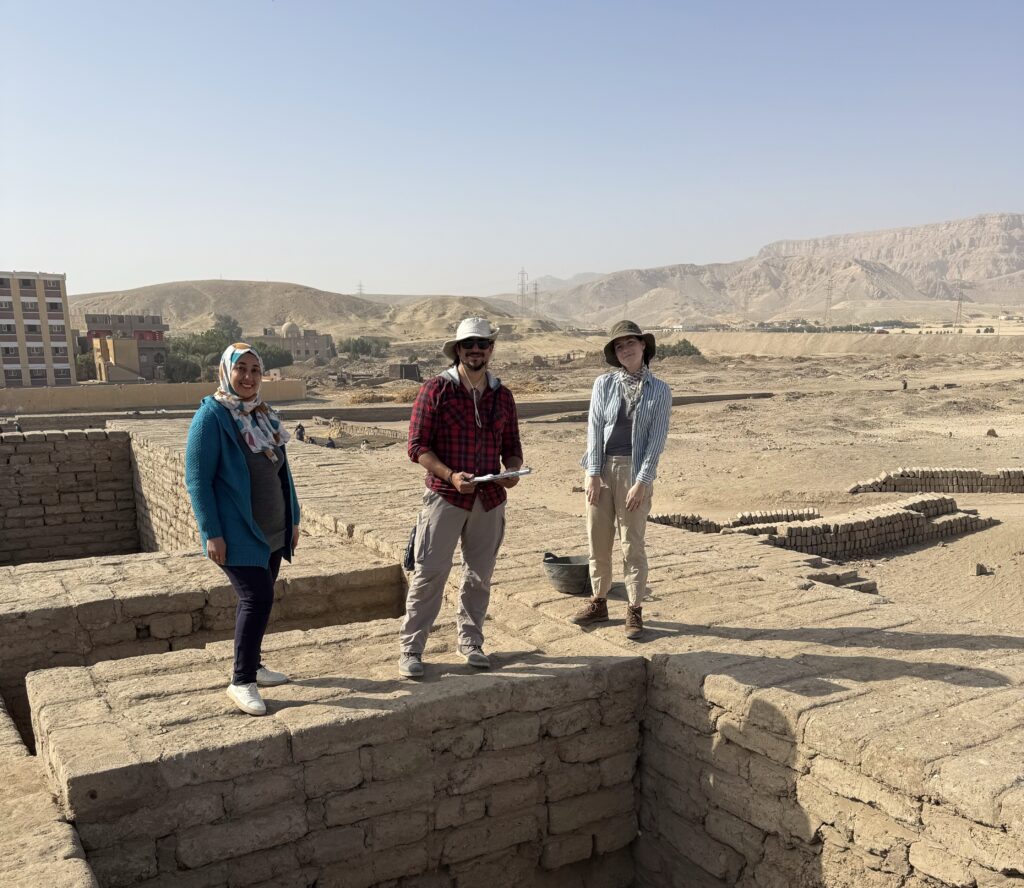
One highlight of the week was a walking survey west of the South Palace in the high desert. These surveys help us understand how ancient activity extended beyond the main settlement and we hope to investigate further these parts of the larger site in a future season.
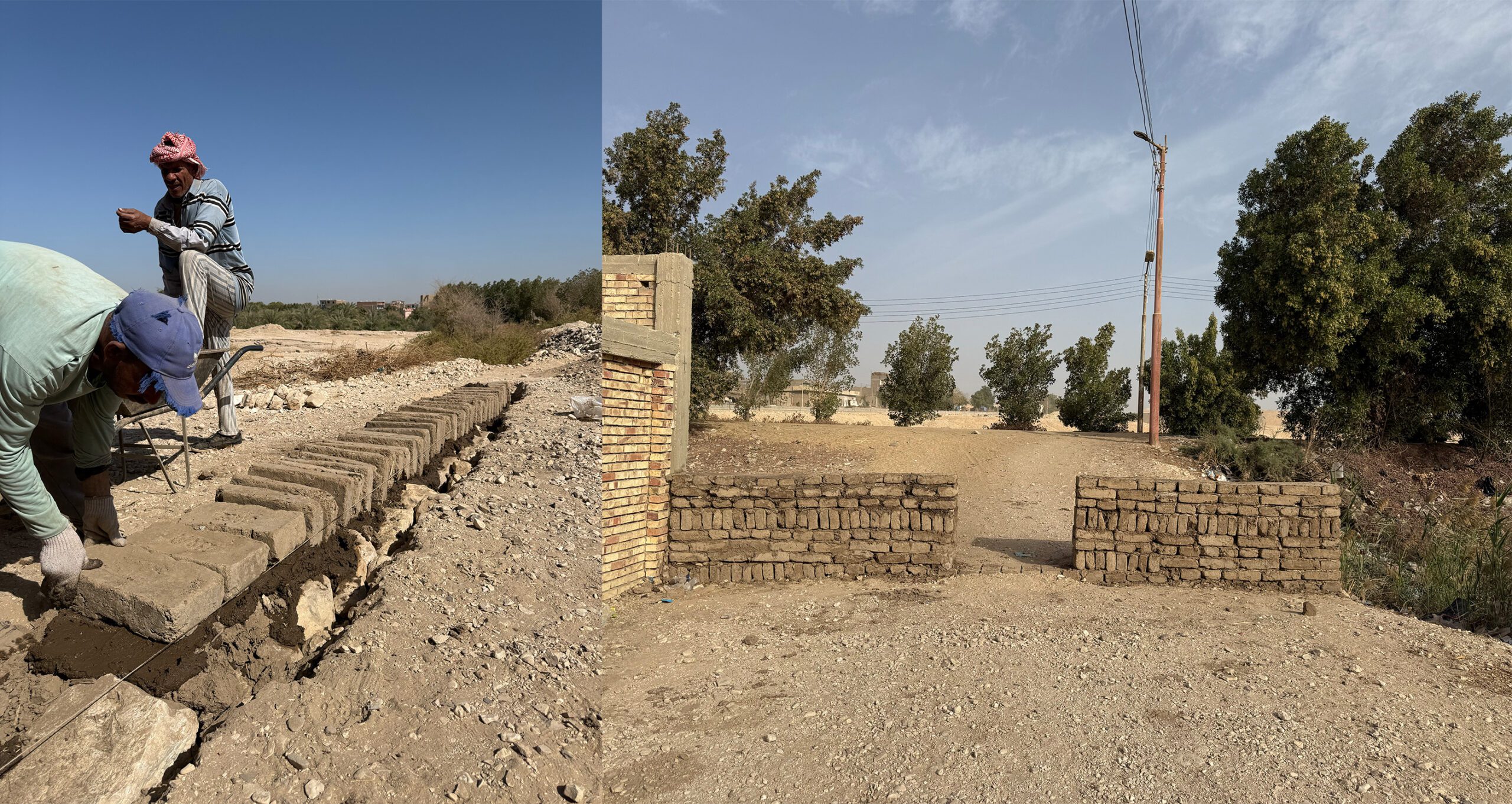
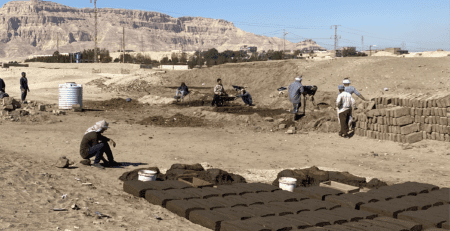
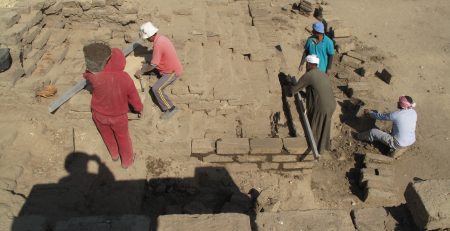
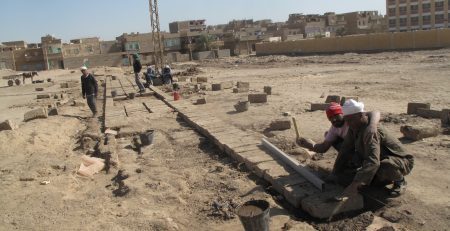
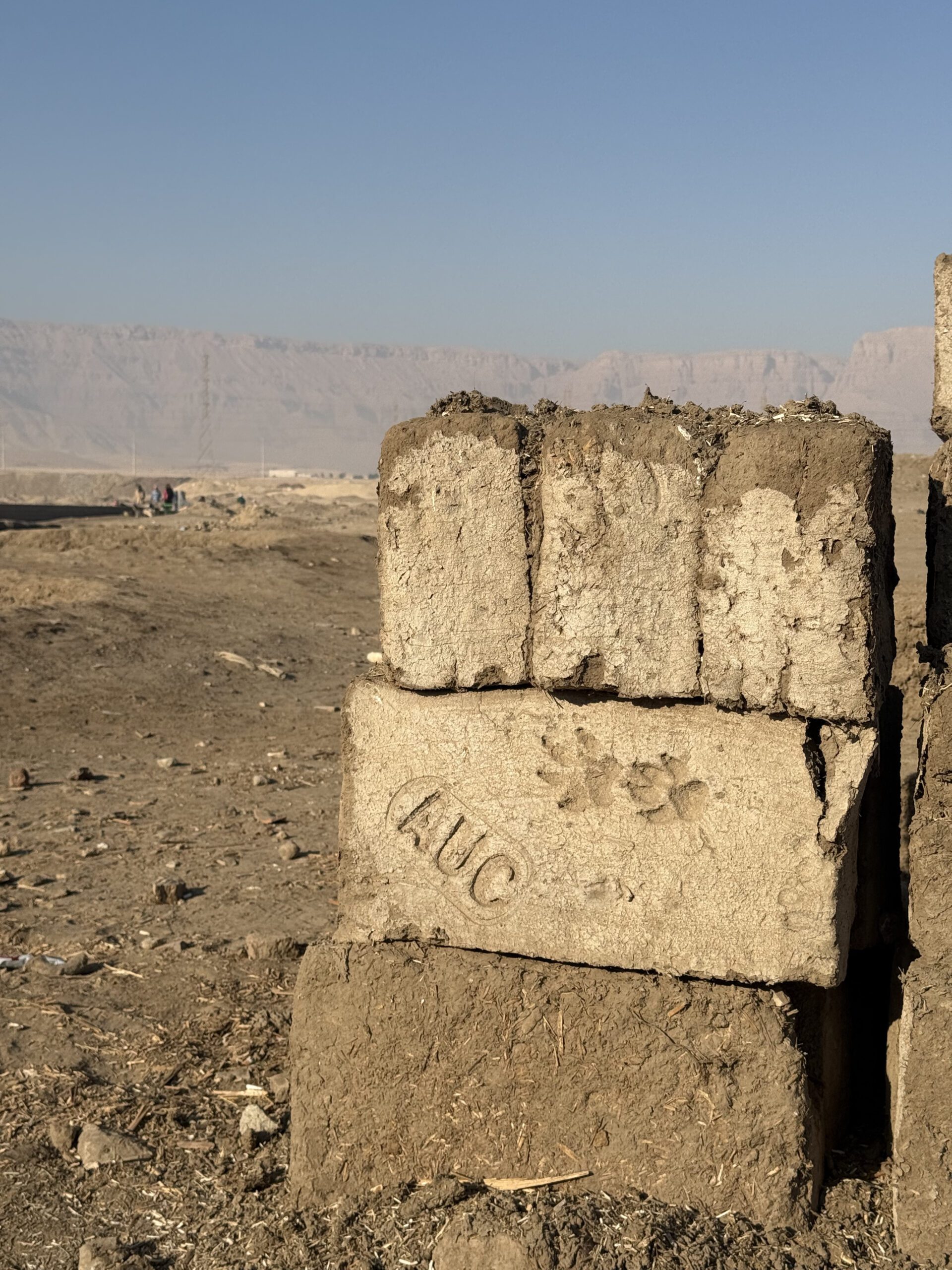
Site protection and conservation also remained a priority for the Expedition. Work crews completed capping sections of the North Palace enclosure wall and stabilized vulnerable areas where erosion had created holes or weak spots. In the North Wadi Settlement, teams built protective mud brick walls to prevent vehicles and agricultural traffic from entering sensitive archaeological zones, while still leaving space for pedestrians to pass through.
Administrative work also took part of the team to Qena to coordinate mapping and paperwork with local authorities—never the most glamorous task, but an essential part of ensuring long-term protection of the site.
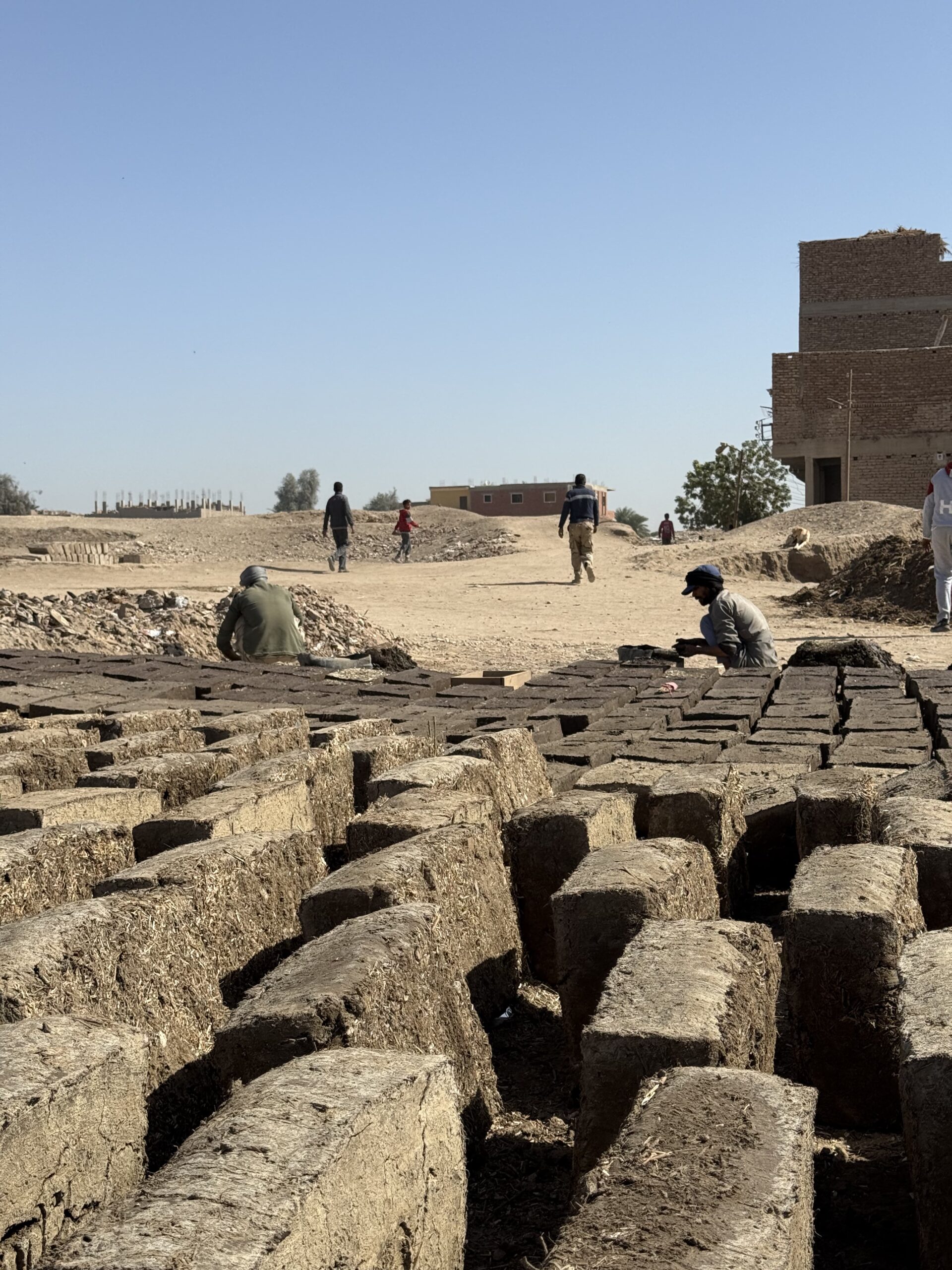
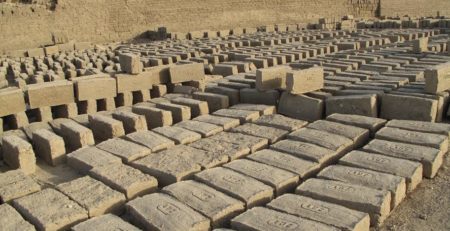
Back at Deir el-Ballas, preparations for season’s end continued. Equipment was sorted, finds were organized, and pottery studies wrapped up. Mud brick production also continued so materials will be ready for conservation work next season. We were also pleased to host a visiting group of students, who toured the site and learned more about settlement archaeology and mud brick preservation efforts in Egypt.
As always, the final weeks of the season are busy, but seeing areas documented, protected, and prepared for the future is incredibly rewarding for the whole team.
A Note from the Team
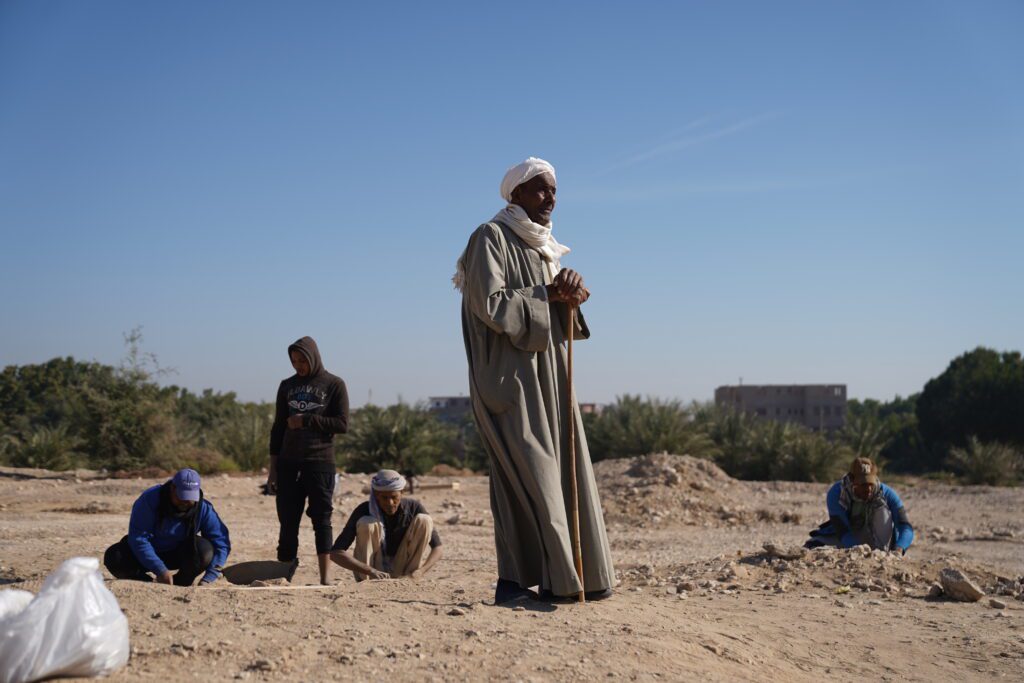
This week also brought sad news for our expedition community with the passing of our reis, Mohamed Ali. Mohamed Ali and his family have long supported archaeological work in the region, and we extend our deepest condolences to his son Hassaan Mohamed Ali (our field manager) and their family. He will be deeply missed by our team and the Egyptology community.